


A new school year brings fresh routines, new classrooms and plenty of close-up work. Clear vision supports reading, concentration, classroom participation and sport, making back to school a useful time to check your child’s eyesight. Children may not realise their vision has changed because the way they see feels normal to them, so a kids eye test can help identify problems that might otherwise be missed.
What signs can point to eye problems in children?
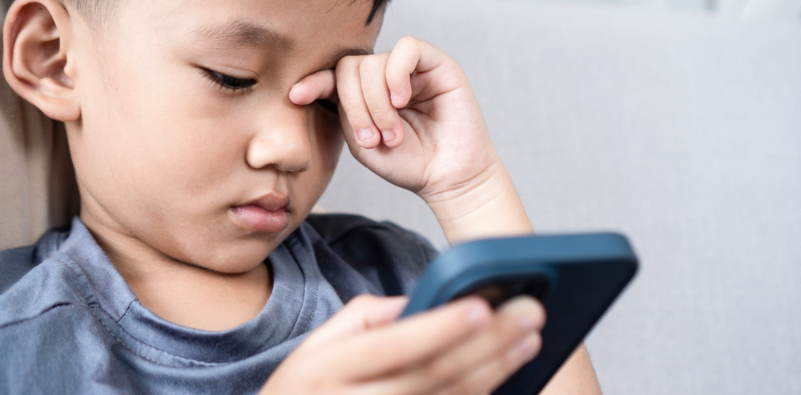
Changes in behaviour can be an early clue that your child is struggling to see clearly. Signs of eye problems in children can include:
- Squinting or sitting closer to the board
- Holding books or screens unusually close
- Headaches or tired eyes
- Losing their place while reading
- Rubbing their eyes frequently
- Avoiding reading or ball sports
- Changes in concentration or school performance
If you notice any of these signs, arrange an eye examination rather than waiting for your child to complain about their sight.
How can vision affect learning and development?
Good vision helps children follow lessons and take part confidently in everyday activities. If children’s eyes are not working as well as they should, reading may feel tiring, copying from the board can become harder and ball games may be more difficult. Vision difficulties can also affect confidence and participation with classmates, so early assessment matters.
How often should children have an eye test?
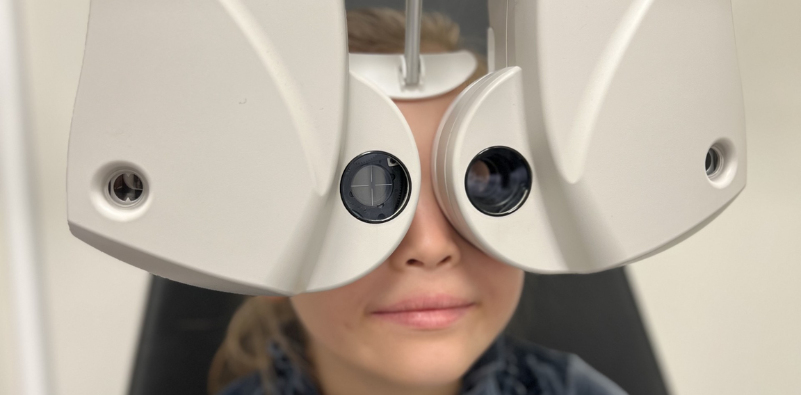
At Feltham Eyecare Centre, we recommend a first eye examination by age four, or sooner if you have concerns, followed by regular checks as your child grows. Our children’s eyecare guidance recommends an examination at least once a year for children under 16.
Children under 16, and young people under 19 in full-time education, are eligible for NHS-funded sight tests. If you are looking for a free eye test for kids, our team can explain eligibility and when the next NHS test is due.
What happens during a kids eye test?
Children do not need to be able to read to have their vision checked. We can use pictures, shapes, numbers or letters depending on their age and assess how clearly they see, whether glasses are needed and how their eyes are working. Recommendations are tailored to age, prescription, eye health and lifestyle.
How do you choose kid’s glasses for school?
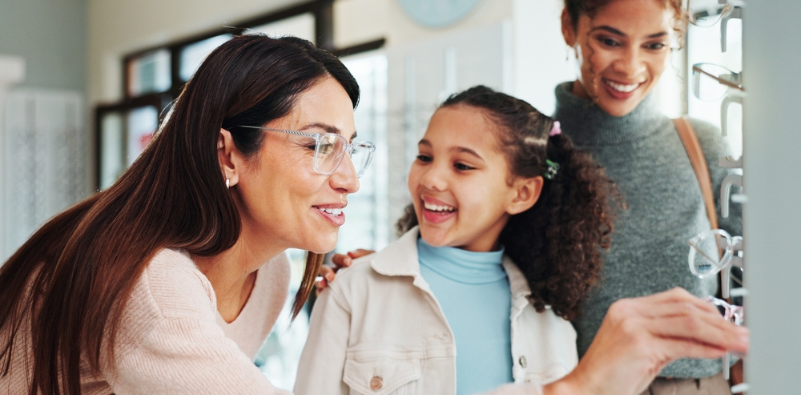
Choose lightweight, durable frames that fit securely and stay comfortable throughout the day. Impact-resistant lenses, a labelled protective case and a spare pair are practical choices for school life. For children who play sport, prescription sports eyewear may also be worth considering.
Involve your child in choosing their kid’s glasses. A frame they like and feel confident wearing is more likely to become part of their routine.
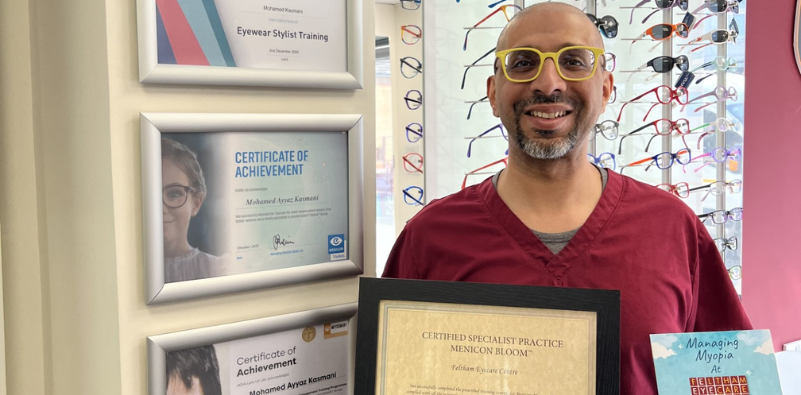
Feltham Eyecare Centre specialises in working with children. We were shortlisted for the 2025 Optician Awards in the Myopia Management category and are also SchoolVision practitioners, supporting children whose visual difficulties may affect reading, learning and concentration.
Although the NHS provides funded sight tests for eligible children, we recommend upgrading to our dedicated myopia management examination where appropriate. This includes EIDON retinal imaging, axial length measurement and a myopia risk assessment using Ocumetra, giving us a more detailed picture of your child’s eye health and risk of developing or progressing short-sightedness. You can also use our myopia vision simulator to see how increasing levels of myopia may affect a child’s vision.
If your child’s vision has changed, arrange an eye examination with Feltham Eyecare Centre. We can check their sight and discuss suitable eyewear or, where appropriate, options for managing short-sightedness.